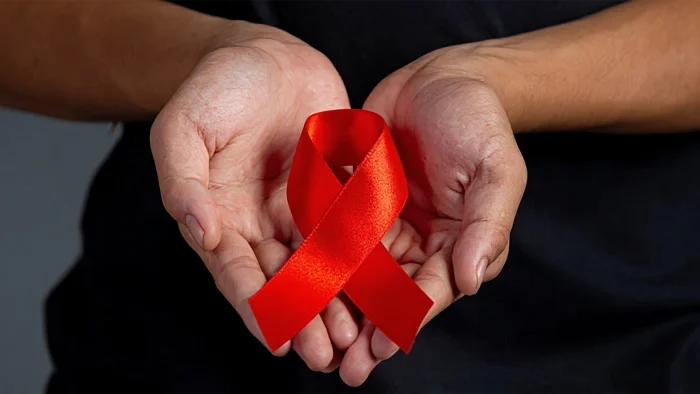
Religious leaders push for access to HIV innovations, long-acting injectables
Religious leaders and the community of people living with HIV/AIDS in the country have stressed the need to strengthen and integrate HIV services within primary health care and ensure equitable access to innovations, including long-acting injectables for HIV prevention.
They appealed to traditional Rulers, religious Leaders and Faith-Based Organisations to increase awareness on the reality of the HIV pandemic, promote stigma-free and inclusive communities and mobilize uptake of HIV prevention, care, treatment and promote equitable access to scientific innovations
Presenting a communique issued at the end of Multi-Stakeholder Dialogue with the theme, “Faith Forward: Reclaiming HIV in the Health Agenda”, Immediate Past President of Church Council of Nigeria, Most Revd. Benebo Fubara observed that the HIV response is at a critical crossroads due to declining funding, persistent stigma, health system gaps, and increasing vulnerability among young people.
The event was organised by the World Council of Churches (WCC), through its HIV, Reproductive Health & Pandemics Programme with support from ViiV Healthcare, in alliance with the Nigerian Network of Religious Leaders Living with or Personally Affected by HIV (NINERELA+).
He expressed concern that HIV remains a significant challenge, with 1.3 million new infections globally and about 48,000 new cases recorded in Nigeria in 2024
Fubara noted that It is particularly worrisome that at a time when scientific advances such as long-acting injectables for prevention and treatment offer transformative potentials in ending the HIV pandemic, we face the risk of limited access without urgent and equitable scale-up.
“The long-acting injectables becoming very much available for people and yet in Nigeria, governments of the world are withdrawing funds and these kind of crossroads are not easy .We need to close the gap that exists between scientific progress and this economic funding that we are experiencing. If we don’t believe that faith and science can be together, we will not be here”.
He argued faith and science are complementary in advancing health and Justice adding that ending HIV new infections is achievable, but requires urgent, collaborative and coordinated actions
Fubara emphasized the need increased and sustained domestic HIV programme financing in the country for effective response and also protect human rights to address stigma and discrimination which remains a significant barrier to testing, treatment, and care.We
He stated faith communities play a critical role in promoting compassion, reducing stigma, and supporting access to HIV services adding that religious leaders are uniquely positioned to foster trust, mobilise communities, and uphold human dignity”.
Fubara reaffirmed the commitment of religious leaders to ending HIV new infections and AIDS as a public health threat and urged the government to partner meaningfully with faith and community systems, sustain awareness for HIV prevention, care and treatment.
He urged development/implementing partners and the private sector to increase their funding and technical support for HIV response.
Speaking earlier at the event, the National Chief Imam of Al-Habibiyyah Islamic Society, Imam Fuad Adeyemi emphasized that there should not be stigma on anybody because of his/her HIV status adding that there are new tools now that we can use to treat or to control the HIV and AIDS.
He called on the government to act in partnership with faith leaders to end HIV and AIDS in the country.
Speaking on behalf of the International Community of Women Living with HIV West Africa (ICWWA), Oluchi Ndubuisi stressed the need for United action to end stigma and make services available and accessible for everyone.
The Dialogue brought together religious leaders policymakers people living with HIV, healthcare providers, and civil society representatives to explore how faith and science can jointly strengthen national HIV responses.
At the event, participants deliberated on justice, equity, current HIV science, budget advocacy, and the development of a Joint Action Plan to support sustainable, community-led HIV prevention and care.
Tags:
No tags
Related Posts

PLATEAU ATTACK: IGP DISU ORDERS MASSIVE DEPLOYMENT, INTENSIFIES OPERATIONS TO RESTORE PEACE
4/1/2026

PRESIDENT TINUBU POSTPONES OGUN TRIP, HEADS TO JOS AS HE BEGINS 4-STATE VISIT
4/1/2026

FG launches UniPods next week as UNDP backs Nigeria’s shift to innovation economy
4/1/2026
Niger Delta coalition protests at NASS, demands decentralisation of pipeline surveillance contracts
4/1/2026
Loading...