Petrol price drops 15.6% to ₦1,051 — NBS
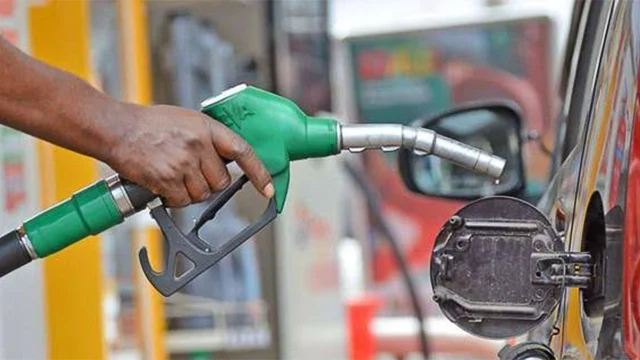
The average retail price of Premium Motor Spirit (petrol) in Nigeria fell by 15.6 percent year-on-year to ₦1,051.47 in February 2026, according to new data released by the National Bureau of Statistics (NBS).
The figure represents a decline from ₦1,245.80 recorded in February 2025, signalling a reduction in fuel costs over the 12-month period. However, on a month-on-month basis, petrol prices rose slightly by 1.62 percent from ₦1,034.76 in January 2026.
The NBS said the data was collected from sample outlets across all 774 local government areas in the country, covering the 36 states and the Federal Capital Territory. More than 10,000 respondents were surveyed, with over 700 staff involved in the nationwide data collection exercise.
State-level analysis showed wide disparities in petrol prices across the country. Yobe State recorded the highest average retail price at ₦1,134.73 per litre. Sokoto and Akwa Ibom followed with ₦1,116.81 and ₦1,109.44 respectively.
In contrast, Lagos State recorded the lowest average price at ₦966.61, followed by Oyo at ₦973.45 and Kaduna at ₦1,000.07. The figures highlight regional differences in fuel distribution and access.
Zonal data also reflected this variation. The North East recorded the highest average price at ₦1,084.41, while the South West had the lowest at ₦1,023.89. Analysts say such differences are often linked to transportation costs, supply logistics and proximity to distribution centres.
The slight monthly increase in February suggests that price stability remains uncertain despite the annual decline. Market observers note that petrol prices in Nigeria have remained sensitive to supply conditions, exchange rate movements and distribution challenges.
NBS stated that the estimates were derived from household expenditure on fuel and the actual prices paid by consumers. The agency added that the process was monitored by quality control officers using established guidelines to ensure accuracy.
Petrol prices remain a key indicator of living costs in Nigeria, affecting transportation, food prices and general inflation. Changes in pump prices are closely watched by households and businesses, given their impact on daily expenses.
The latest figures come amid ongoing adjustments in the downstream oil sector, with authorities seeking to stabilise supply and manage pricing structures. While the year-on-year drop may offer some relief to consumers, the month-on-month increase indicates that price pressures persist.
Tags:
No tags
Related Posts

Mohamed Salah to leave Liverpool at the end of the season
3/25/2026

Army arrests officer for N114m fraud, false alarm on killing of gang leader, Osisikankwu
3/25/2026

Lagos court jails ex-convict three years for N12m theft
3/25/2026
Niger Delta communities, CSOs insist on inclusivity in oil asset divestment
3/25/2026
Loading...