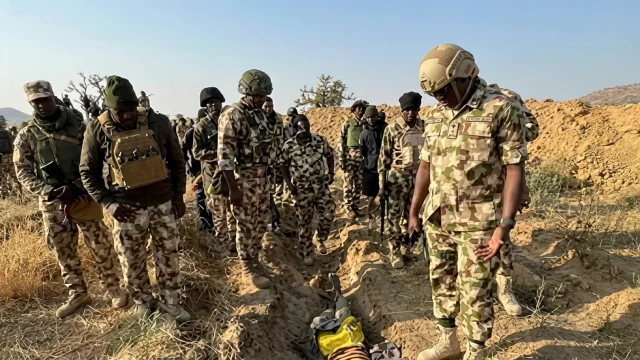
The surge persists despite US security engagement. In December 2025, the United States conducted airstrikes in northwestern Nigeria and deployed personnel to train Nigerian forces confronting extremist groups. In October 2025, President Donald Trump redesignated Nigeria as a Country of Particular Concern (CPC) over religious violence, a move that increases scrutiny and could trigger sanctions.
However, conflict monitors note that militant groups are quickly adapting. ACLED reported intensified communication among jihadist factions in the tri-border zone, suggesting rivalry and “outbidding” dynamics that often escalate violence.
Regional coordination has weakened, with military-led governments in Mali, Burkina Faso, and Niger distancing themselves from traditional West African security blocs, hampering intelligence sharing and joint operations.
Political instability across the Sahel has fueled insurgent activity, with recent coups in Mali, Burkina Faso, and Niger justified as responses to government failures in containing jihadist violence. In Benin, a failed December coup cited insecurity as a primary grievance.
Nigeria’s security forces are stretched thin, facing banditry, kidnappings, and communal clashes alongside insurgency. While the military has recorded periodic successes, humanitarian agencies warn that civilians remain highly vulnerable, with thousands displaced to camps or across borders.
The report concludes that the rising lethality and geographic spread of Islamist militants point to a looming regional security crisis, which could extend far beyond Nigeria’s borders, even amid international intervention.


